Yoga Retreat in Pokhara vs Rishikesh – Finding the Right Place for True Yoga
Introduction
Yoga retreats have become popular worldwide, but choosing the right place for deep practice and inner transformation can be confusing. Rishikesh, historically a sacred land for yogis, meditation, and spiritual seekers, has grown busier over the years. With more tourists and commercialized retreats, it can feel overwhelming for someone searching for quiet, authentic practice.
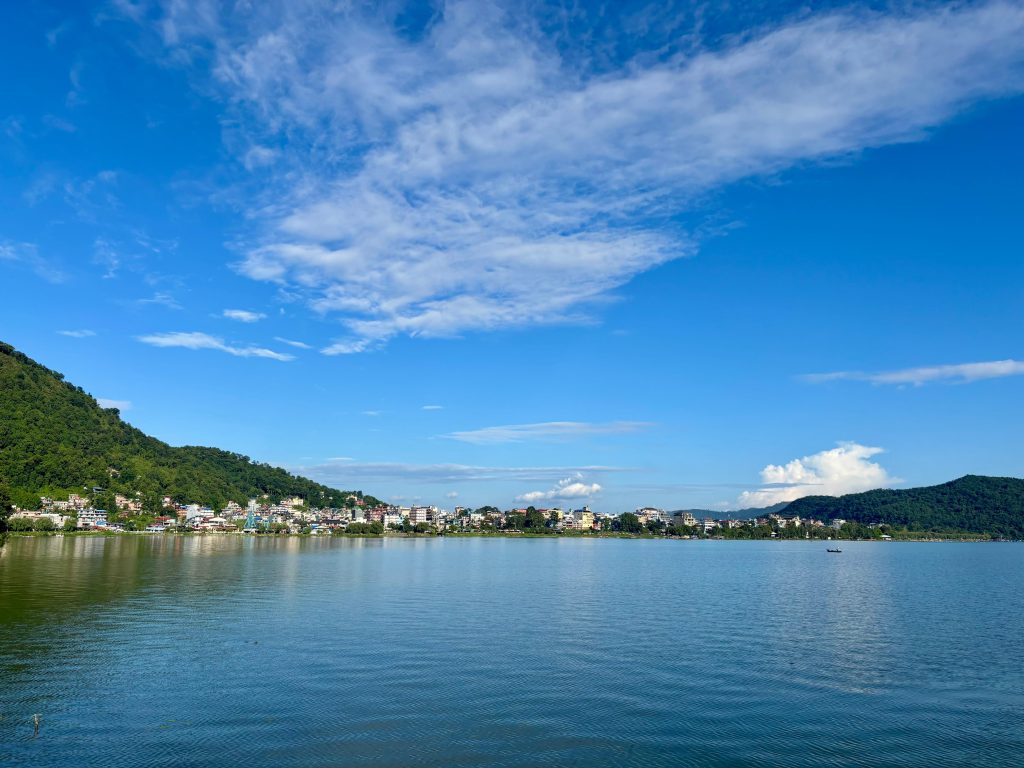
In contrast, Pokhara, Nepal, offers a calmer, mountain-energy environment. Surrounded by the Himalayas, forests, and lakes, it allows seekers to slow down, reconnect, and experience yoga and meditation in a natural and peaceful setting.
The Mountain Energy of Pokhara
Pokhara’s serene environment is ideal for deep inner work. The mountains, fresh air, and quiet spaces support meditation, self-reflection, and healing. Unlike crowded tourist spots, Pokhara encourages a sense of stillness, allowing one to reconnect with their true self.
At Unmani Yoga Retreat, this setting is paired with guidance rooted in ancient traditions and modern understanding. Here, yoga is not only physical practice—it becomes a journey inward.
Ancient Wisdom Meets Modern Understanding
Yogi Sudhan Bashyal, founder of Unmani Yoga Retreat, brings a rare combination of traditional and contemporary influences:
Trained in the Natha Yogic tradition under Yogi Balbhadra Nath, disciple of Guru Narharinath
Initiated and lived in the ashram for years, preserving ancient Guruparampara wisdom
Influenced by modern spiritual teachers like Krishnamurti, Osho, Ramana Maharshi, Mooji, as well as ancient philosophers like Laozi
Sudhan has deeply studied texts such as:
Patanjali Yoga Sutras
Vigyan Bhairav Tantra
Ashtavakra Gita
Yoga Vasistha
Shiva Samhita
Song of Tilopa
Through personal retreats, Vipassana practice, temple meditation, and exploration of multiple techniques, Sudhan came to a simple truth:
True yoga is about purifying the body, mind, and heart, creating inner stillness, and connecting with the essence of existence.
Why Pokhara Feels Different
The mountain environment, fresh air, and Himalayan energy naturally support:
Stillness and clarity of mind
Deep relaxation and stress release
Meditation and self-reflection
Connection to nature and inner awareness
Unlike crowded spiritual towns, Pokhara allows seekers to step away from distractions and focus fully on their journey.
At Unmani Yoga Retreat, these elements are combined with sound healing, meditation, yoga, and mindful practices, creating a gentle yet profound environment for transformation.
Pokhara vs Rishikesh – A Comparison
| Aspect | Pokhara | Rishikesh |
|---|---|---|
| Environment | Quiet mountains, lakes, and forests | Ganges riverfront, busy, tourist-heavy |
| Energy | Calm, meditative, natural | Vibrant, spiritual but often distracting |
| Practice | Holistic yoga, meditation, sound healing | Mostly yoga teacher training and structured ashrams |
| Learning | Guided by traditional wisdom, personal guidance | Large groups, sometimes less individual attention |
| Experience | Deep inner stillness, reflection, connection to nature | Cultural and spiritual immersion, but more external |
Pokhara offers the opportunity to immerse yourself in the essence of yoga, away from noise, distractions, and commercialization.
Conclusion
Yoga is not just a practice—it is a journey to discover inner peace, clarity, and connection with the self. The Himalayas of Pokhara provide the perfect setting for this journey. Surrounded by mountains, lakes, and quiet nature, seekers can slow down, reflect, and heal.
At Unmani Yoga Retreat, guidance is offered through practices rooted in ancient wisdom and adapted for modern life. It is a place for anyone seeking authentic yoga, meditation, and self-discovery, where the mountains themselves seem to support the practice.
If you are searching for a place to experience stillness, reconnect with yourself, and explore yoga beyond the physical, Pokhara offers an environment naturally conducive to deep transformation.
