What Is Meditation? A Beginner's Guide to Inner Peace
Have you ever wondered what meditation really is?
Many people believe meditation means stopping all thoughts or completely emptying the mind. Others think it is an exclusive practice reserved only for monks or spiritual seekers. In reality, learning how to meditate is much simpler—and much more powerful—than you might think.
Meditation is fundamentally the practice of becoming aware of the present moment. It is the process of learning to observe your breath, thoughts, emotions, and physical sensations without judgment. Rather than trying to fight or control the mind, meditation teaches you to understand it.
Whether you want to reduce stress, improve your focus, sleep better, or simply experience a deeper sense of daily calm, meditation for beginners is a practice that absolutely anyone can start today.
What Is Meditation? (The Art of Awareness)
At its core, meditation is the art of awareness and mindfulness.
It is a common misconception that you must force your mind to become completely silent. Thoughts will naturally arise, and that is a sign of a healthy, functioning brain. The true practice of mindfulness meditation is to notice those thoughts without getting carried away by them, and then gently return your attention back to the present moment.
Key Takeaway: When you meditate, you aren’t changing who you are. You are training your awareness and gaining a healthy sense of perspective.
Over time, this simple daily habit trains your brain to become less reactive to external stressors, helping you access a calm, peaceful state within yourself at any moment.
Why Do People Meditate? Top Benefits of Meditation
People around the world begin a meditation practice for many different reasons. From scientifically proven psychological upgrades to deep spiritual growth, here are the primary benefits of meditation:
Reduces Stress and Anxiety: Lowers cortisol levels and promotes emotional regulation.
Improves Concentration: Enhances focus, memory, and mental clarity for daily tasks.
Better Sleep Quality: Calms the nervous system to combat insomnia and restless nights.
Emotional Balance: Cultivates self-awareness, reducing impulsive emotional reactions.
Promotes Inner Peace: Fosters a grounded sense of well-being, regardless of external circumstances.
There is no single “right” reason to meditate. Whatever personal goal brings you to the cushion is the perfect place to begin.
How Do Beginners Start Meditation? A Simple 5-Step Guide
Starting a meditation routine doesn’t have to be complicated or time-consuming. Use this step-by-step beginner’s guide to meditation to start your practice today:
Find a Quiet Space: Choose a peaceful spot where you won’t be disturbed for a few minutes.
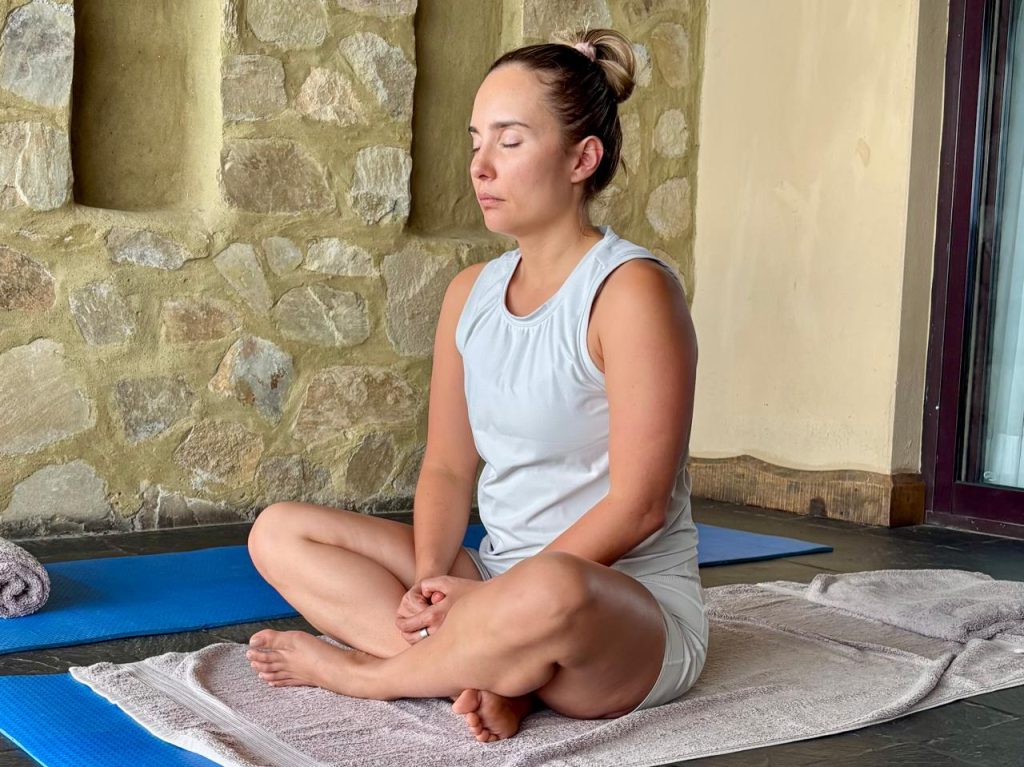
Sit Comfortably: Sit on a chair or the floor. Keep your spine naturally upright but relaxed, allowing your body to soften.
Close Your Eyes: Let your gaze soften or gently close your eyes to minimize visual distractions.
Focus on Your Breath: Bring your entire awareness to the natural flow of your breathing. Notice the sensation of each inhale and each exhale.
Redirect Your Wandering Mind: Your mind will wander—this is completely normal! When it does, simply notice where it went, let it go with kindness, and return your attention to the breath.
Even just 5 minutes of daily meditation can create a profound shift in your mental health and well-being.
Watch: 5-Minute Guided Meditation for Beginners
If you would prefer a step-by-step explanation paired with a calming, immersive experience, watch our complete YouTube video. This short video is designed to walk you through your very first session seamlessly.
What Is Meditation? A Beginner’s Guide to Inner Peace (5 Minutes)
What You Will Learn in This Video:
- The true definition and meaning of authentic meditation.
The biggest misconceptions that stop beginners from meditating.
How expanding your awareness transforms your daily mindset.
A live, 5-minute guided breathing practice you can use right now.
Take Your Practice Deeper: Experience Meditation in the Himalayas
Reading about mindfulness is an excellent first step, but experiencing it fully can be truly transformative.
If you are ready to disconnect from the noise of daily life and fast-track your journey to inner peace, practicing in a dedicated environment makes all the difference. At Unmani Yoga Retreat in Pokhara, Nepal, we offer authentic, life-changing meditation experiences set against the serene and majestic backdrop of the Himalayas.
Our mindfully curated programs combine:
Authentic Vedic and Buddhist meditation techniques
Traditional Hatha and Ashtanga Yoga
Pranayama (breathwork) and mindfulness workshops
Tibetan Sound Healing therapies
Immersive nature walks in the peaceful Pokhara valley
Whether you join us for a single drop-in session, a weekend wellness retreat, or a week-long immersive spiritual journey, you will receive personalized guidance from experienced teachers in a warm, supportive atmosphere. Our retreats are perfectly suited for complete beginners as well as seasoned practitioners looking to deepen their practice.
Begin Your Journey to Inner Peace Today
Meditation is not about changing yourself or becoming someone different. It is simply about discovering the peace, clarity, and stillness that already exists within you.
Every conscious breath you take and every minute you spend in practice brings you closer to emotional balance and mental freedom. There is no perfect time to start. Your next breath is enough.
If you are ready to take your very first step, we invite you to watch our [Guided Meditation Video] right now.
And if you are looking for a deeply immersive, distraction-free environment to anchor your practice, we warmly welcome you to visit us at Unmani Yoga Retreat in Pokhara, Nepal. Here, meditation transcends being just a daily exercise—it becomes a peaceful way of living.
Frequently Asked Questions (FAQs) About Meditation
How long should a beginner meditate?
For beginners, 5 to 10 minutes per day is ideal. Consistency is far more important than duration. It is much better to meditate for 5 minutes every day than for an hour once a week.
What is the best time of day to meditate?
Many practitioners find that early morning is the best time to meditate because the mind is naturally quieter before the day’s responsibilities begin. However, meditating right before bed is also excellent for improving sleep quality.
Do I have to sit cross-legged to meditate?
No. You do not need to sit in a lotus position or cross-legged on the floor. You can sit flat-backed on a comfortable chair, kneel, or even lie down if you are practicing for relaxation or sleep. The goal is to keep your spine straight so you remain alert yet relaxed.
Where exactly is the retreat center located?
We are located in the peaceful, natural hills of Sarangkot, roughly 30 minutes away from the noise of central Lakeside, Pokhara. This location provides the perfect, silent acoustic environment required for authentic vibrational therapy.
Want to join Meditation Retreat in Pokhara, Nepal ?
5-Day Beginner-Friendly Meditation & Yoga Retreat in Pokhara
Unwind in the Himalayas with our 5-Day Beginner-Friendly Meditation & Yoga Retreat in Pokhara. Experience daily guided mindfulness, gentle yoga, and sound healing designed to effortlessly jumpstart your journey to inner peace.
5-Day Silent Meditation Retreat in Pokhara, Nepal
Disconnect to reconnect during our 5-Day Silent Meditation Retreat in Pokhara. Deepen your practice through Noble Silence, daily guided mindfulness, gentle yoga, and sound healing—the ultimate Himalayan reset for inner peace.